Morocco Travel Guide: Tips, Costs & Itineraries
Morocco is one of the easiest places outside Europe to build a first big trip around. Flights from much of Europe are short, daily costs are lower than in most Western countries, and a single trip can take you from a walled medina to a High Atlas valley, an Atlantic port and a night among Saharan dunes.
It is also a country that punishes over-ambitious planning. Distances are bigger than they look on a map, the best sights are spread across several regions, and the first day in a busy medina can be disorienting.
This Morocco travel guide will help you choose a realistic route, avoid the usual first-timer mistakes and know what to check before you go. Where a topic deserves its own deep dive, you will see a suggested link to a dedicated guide on the site.
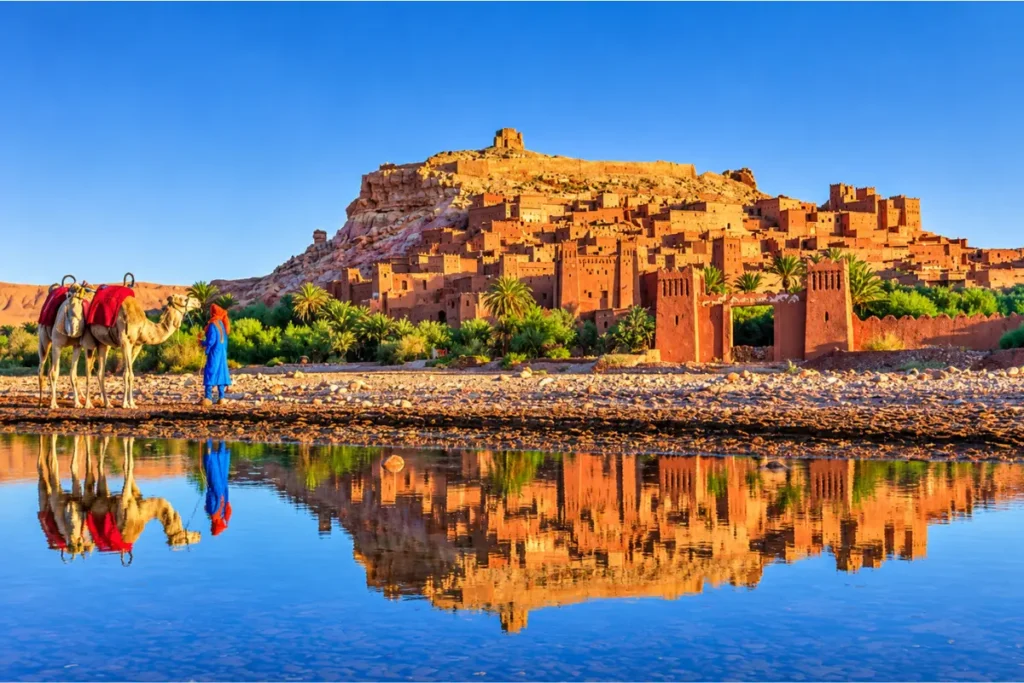
Morocco Travel Guide: Quick Facts
Morocco’s capital is Rabat, while Casablanca is its largest city. The local currency is the Moroccan dirham (MAD), which can be difficult to exchange outside the country, so it’s best to arrange your cash after arrival.
Morocco’s official languages are Arabic and Amazigh (Tamazight), while French is widely used in business and tourism, and English is spoken in many popular tourist areas.
Many nationalities, including citizens of the United States, Canada, the United Kingdom, EU countries, Australia, and New Zealand, can visit Morocco visa-free for up to 90 days, although entry rules depend on your passport and should be checked before travelling.
Morocco generally follows GMT+1, with a temporary change to GMT during Ramadan, so check the local time if your trip falls during that period.
The best seasons to visit are usually spring (March to May) and autumn (September to November), when temperatures are often more comfortable for exploring.
Morocco uses Type C and Type E power plugs with a standard voltage of 220V.
Is Morocco a Good Destination for First-Time Travelers?
Yes, with realistic expectations. Morocco has a huge amount to see, the food is excellent, and the infrastructure is better than many visitors expect: modern trains between the main northern cities, good motorways, and a mature tourism industry with everything from hostels to palace hotels.
What catches first-timers off guard is the intensity. Medina lanes are crowded and confusing, vendors approach you constantly, and in the hottest months midday sightseeing is hard work.
If you are nervous, start with a calmer base such as Rabat or Essaouira, or book a first-night riad that will meet you at the nearest taxi drop-off. Most people find the pace easier after a day.
How Many Days Do You Need in Morocco?
The honest answer depends on whether you want the Sahara.
- 4–5 days: one base, usually Marrakech, with day trips to the Atlas Mountains or Essaouira. There isn’t time for a proper desert trip.
- 7 days: the minimum for the classic Marrakech–desert–Fes route, with a lot of driving.
- 10 days: a more comfortable version of that loop, with time in Fes and Chefchaouen.
- 14 days: the loop plus the Atlantic coast, without rushing any one stop.
Short desert tours from Marrakech are heavily marketed, but Merzouga is roughly nine hours’ drive each way, so most of your time goes on the road. If the Sahara is a priority, allow at least three days for it. Route outlines are in the itinerary section below, with full versions in [[our Morocco itinerary guide]].
What Should You Know Before Traveling to Morocco?
- Plan fewer places, not more. Moving every night is exhausting. Two nights per stop is a good rule.
- Carry cash. Cards work in hotels and larger restaurants, but taxis, small shops, street food and many guides are cash only.
- Agree prices first for taxis without meters, guides, tours and anything a shopkeeper offers.
- Dress modestly, especially outside the tourist centers: shoulders and knees covered is a safe baseline.
- Be ready for friendly persistence. A calm, polite “no, thank you” while you keep walking is usually enough.
- Know the local laws. Drug possession carries severe penalties, public displays of affection can cause offense or legal problems, and drones need government permission (see Is Morocco Safe for Travelers?).
- Check your government’s travel advice before booking and again just before you leave.
Best Places to Visit in Morocco
Most first trips combine three or four of these destinations. For a fuller comparison, see our guide to the best places to visit in Morocco.
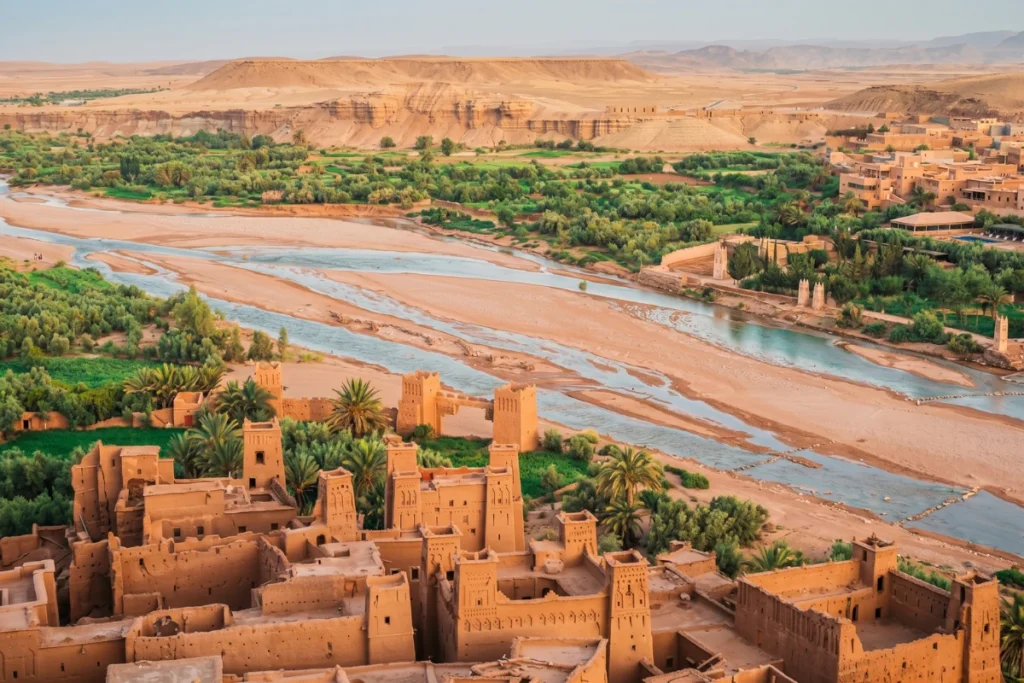
Marrakech
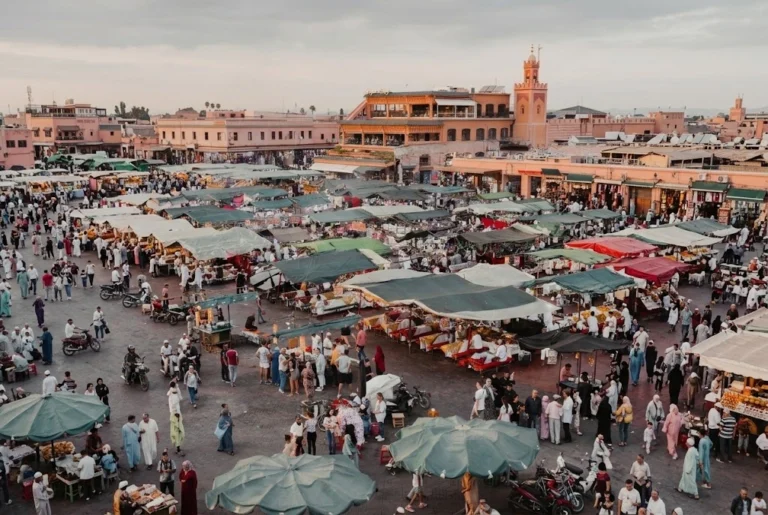
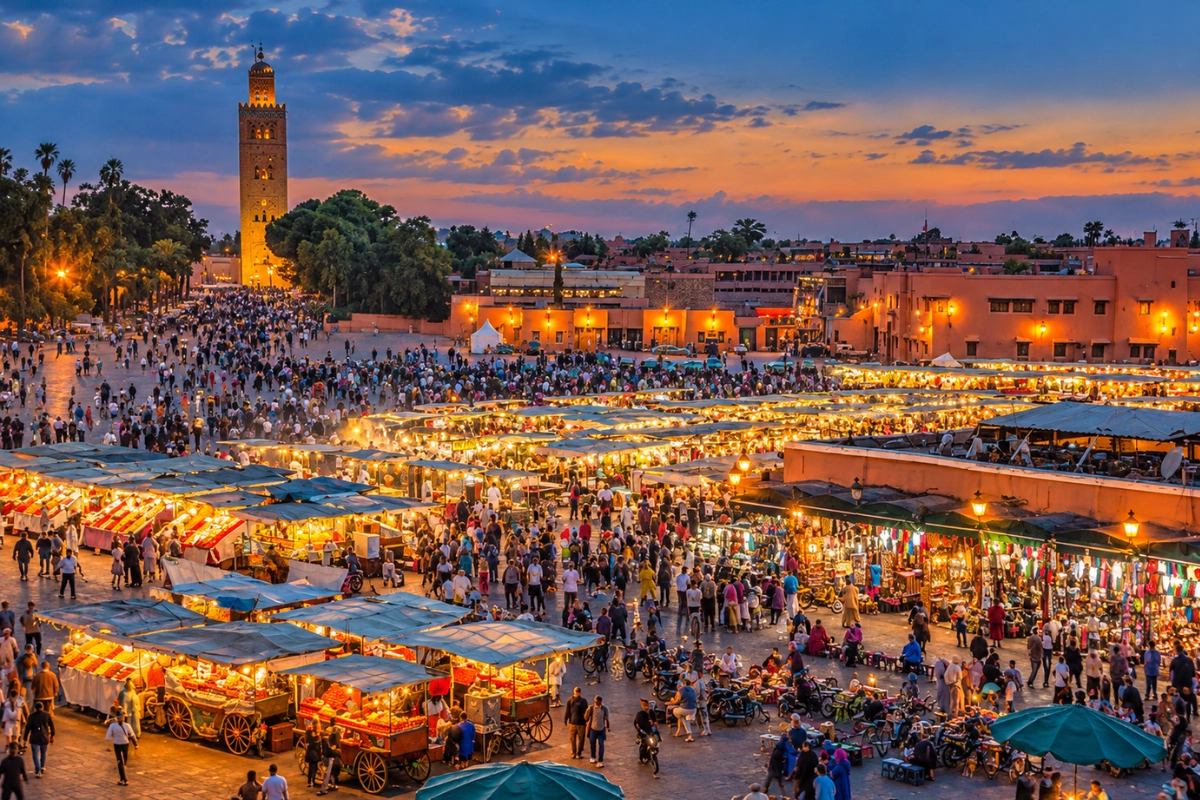
Marrakech is an ideal introduction to Morocco, with its historic medina and lively Jemaa el-Fnaa square. Allow two to three nights to explore at a comfortable pace. If you plan to visit Jardin Majorelle, check the official ticketing website before your visit.. Read our Marrakech travel guide.
Fes
Fes is known for its historic Fes el-Bali medina, traditional crafts and cultural heritage. Allow at least two nights, and consider hiring a licensed guide to help you navigate the old city. [[Read our Fes Morocco travel guide]].
Chefchaouen
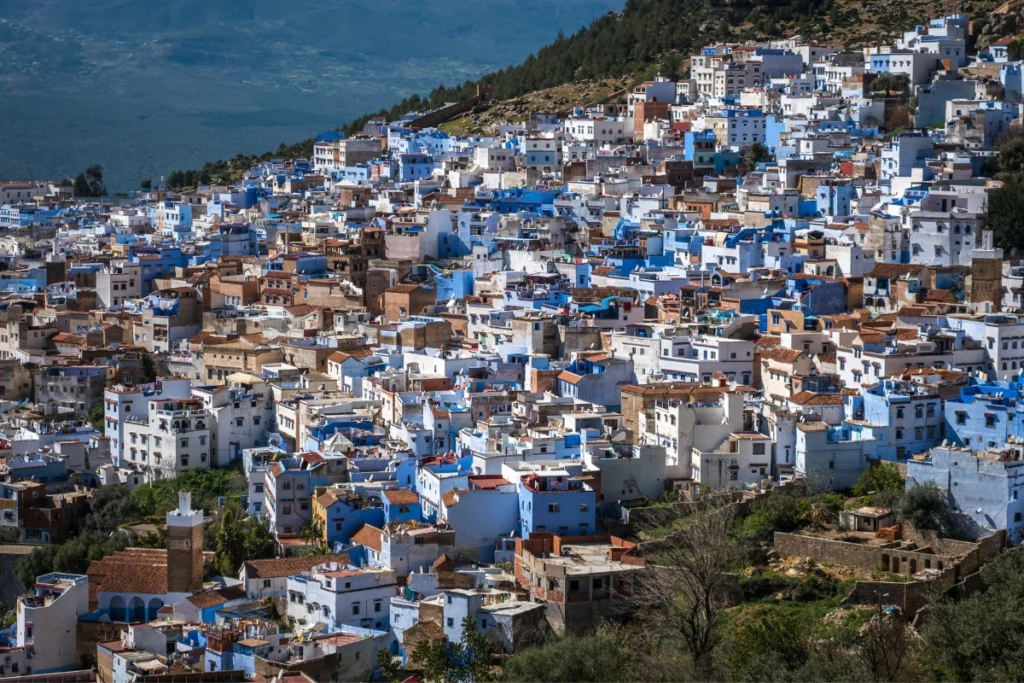
Set in the Rif Mountains, Chefchaouen is famous for its blue-painted streets and relaxed atmosphere. One or two nights is usually enough for a short visit. Read our Chefchaouen travel guide.
Casablanca
Casablanca is Morocco’s main international airport hub and a convenient starting point for many trips. If time allows, spend half a day visiting the Hassan II Mosque; check official visitor information for current tour times and prices.
Sahara Desert
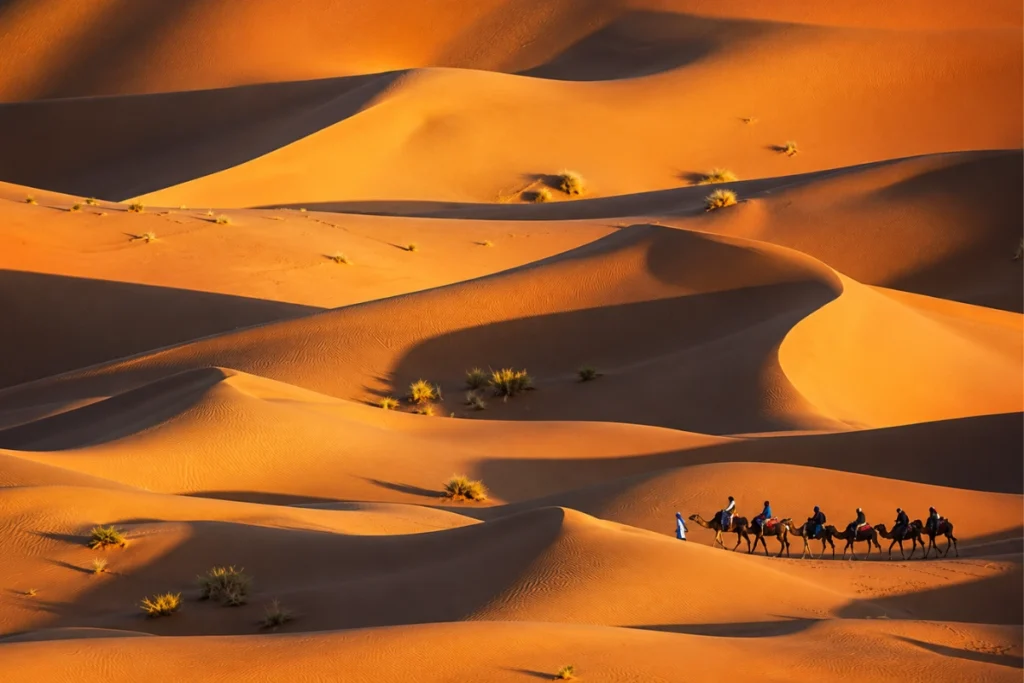
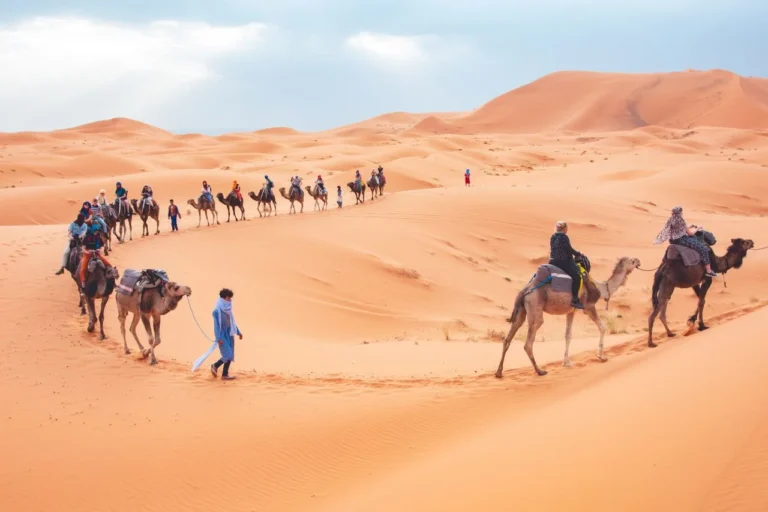
The main desert destinations include Erg Chebbi near Merzouga and the more remote Erg Chigaga near M’Hamid. The drive from Marrakech to Merzouga takes roughly nine hours, so consider breaking up the journey with overnight stops along the way. [[Read our Sahara Desert Morocco guide]].
Essaouira and Taghazout
Essaouira is a relaxed Atlantic coastal town around three hours by road from Marrakech. Taghazout, near Agadir, is popular with surfers and travelers looking to enjoy Morocco’s coastline at a slower pace.
Best Things to Do in Morocco
These are the activities first-time visitors most often put at the top of their list. A longer list with practical details is in [[our guide to the best things to do in Morocco]].
Explore Morocco’s Medinas and Souks
Medinas are the heart of Moroccan cities, and wandering them is the main activity. Watch craftspeople at work, buy directly from artisans where you can, and plan a break in the middle of the day. A hammam, either a local one or a spa-style one, is a good way to recover. If you want to buy something big, such as a rug, look at several shops first so you understand the range of prices.
Experience the Sahara Desert
When you compare desert tours, ask what is included (meals, transfers, bedding, bathroom facilities), whether you will travel in a 4×4 or a minibus, how big the group is and how far the camp is from the dunes. Read recent reviews rather than relying on the operator’s own photos, and agree the price and any extras in writing. Bring a scarf for sand, sunglasses and warm layers, since desert nights are cold for much of the year.
Discover Moroccan Food and Culture
A cooking class, a food tour or a long lunch at a local restaurant will teach you more about Morocco than most museums. Gnawa music, hammam culture and mint tea with a shopkeeper are all part of daily life. More on what to eat is below and in our Moroccan food guide.
Visit the Atlas Mountains and Natural Landscapes
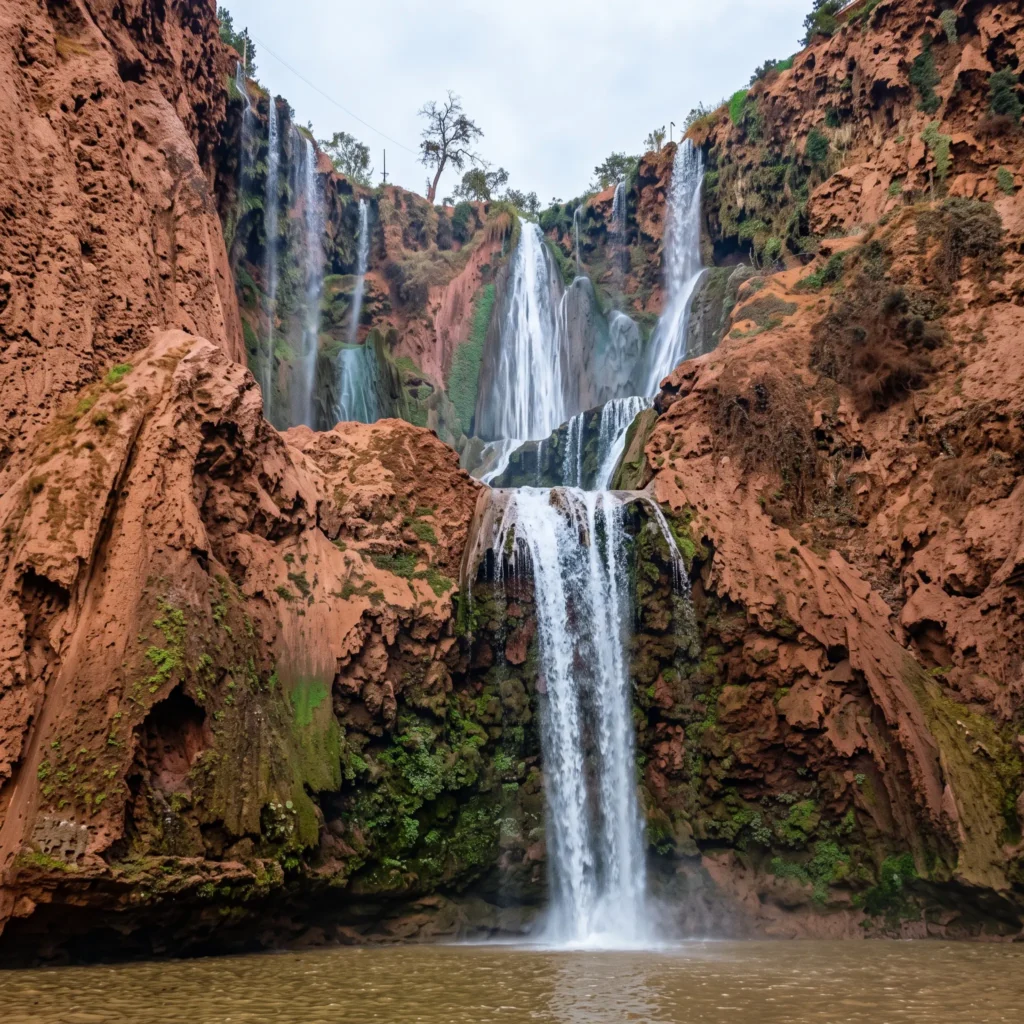
The High Atlas is close enough to Marrakech for a day trip, but better with a night. Imlil is the usual base for walks and for the Toubkal summit (4,167 meters, North Africa’s highest peak). Other options include gentler village walks, waterfalls such as Ouzoud, the Dadès and Todra gorges, and the Draa Valley palm groves farther south. For anything beyond easy walks, hire a local guide and check that your travel insurance covers hiking at altitude.
Best Time to Visit Morocco
For most travelers, the best time to visit Morocco is spring (March to May) or autumn (September to November). A fuller breakdown by month and region is in our guide to Morocco’s weather.
Morocco Weather by Season
- Spring (March–May): warm days, green countryside and comfortable conditions in most regions.
- Summer (June–August): very hot inland, including Marrakech and the desert. The Atlantic coast and mountains are noticeably cooler.
- Autumn (September–November): warm and pleasant, with the heat easing by October. A good season for combining cities and the desert.
- Winter (December–February): mild days but cold nights in cities, the desert and the mountains, with snow in the High Atlas. Mountain roads can be affected by weather, so allow flexibility.
Best Months to Visit Morocco
March to May and September to November give the best balance of comfortable weather and access to both cities and desert. October is especially good for a mixed route. For beaches, summer works on the Atlantic coast, while many surfers prefer the autumn and winter swells.
When to Avoid Traveling to Morocco
Avoid July and August if your plans center on Marrakech, the desert or long drives inland. Think carefully about Ramadan and the Eid holidays, when opening hours change and transport and hotels can be busier (see Ramadan and Respect for Local Culture). Islamic holiday dates move about eleven days earlier each year, so check the calendar when you book.
How to Get to Morocco
Flying to Morocco
The main international airports are Casablanca (CMN), Marrakech (RAK), Fes (FEZ), Tangier (TNG), Agadir (AGA) and Rabat (RBA). Royal Air Maroc is the national airline, and several European low-cost carriers serve Moroccan cities. For most itineraries, an open-jaw ticket (flying into one city and out of another, for example into Marrakech and out of Fes or Tangier) saves a day of backtracking. Casablanca’s Mohammed V airport has its own railway station, but trains from Marrakech require a change at Casablanca Voyageurs.
Traveling to Morocco from Europe
Europe is the easiest origin, with direct flights from many cities to Marrakech, Casablanca, Agadir, Fes and Tangier. You can also take a ferry from southern Spain to the Tangier area if you prefer a sea crossing or are bringing a vehicle. Airline routes and ferry schedules change, so check with the operators directly.
Traveling to Morocco from the USA and Canada
Royal Air Maroc flies nonstop to Casablanca from New York, Washington DC, Miami, Toronto and Montreal, and added a three-times-weekly Los Angeles service in June 2026. Routes and frequencies change often, so check the current schedule before planning around a specific city. Otherwise, connecting through a European hub is the usual alternative.
How to Get Around Morocco
Timetables, fares and journey times change, so check the operators directly ONCF for trains, CTM and Supratours for buses) before you finalize your plans.
Trains and Buses
The national railway, ONCF, is comfortable and good value, and it is the best choice between the main northern cities.
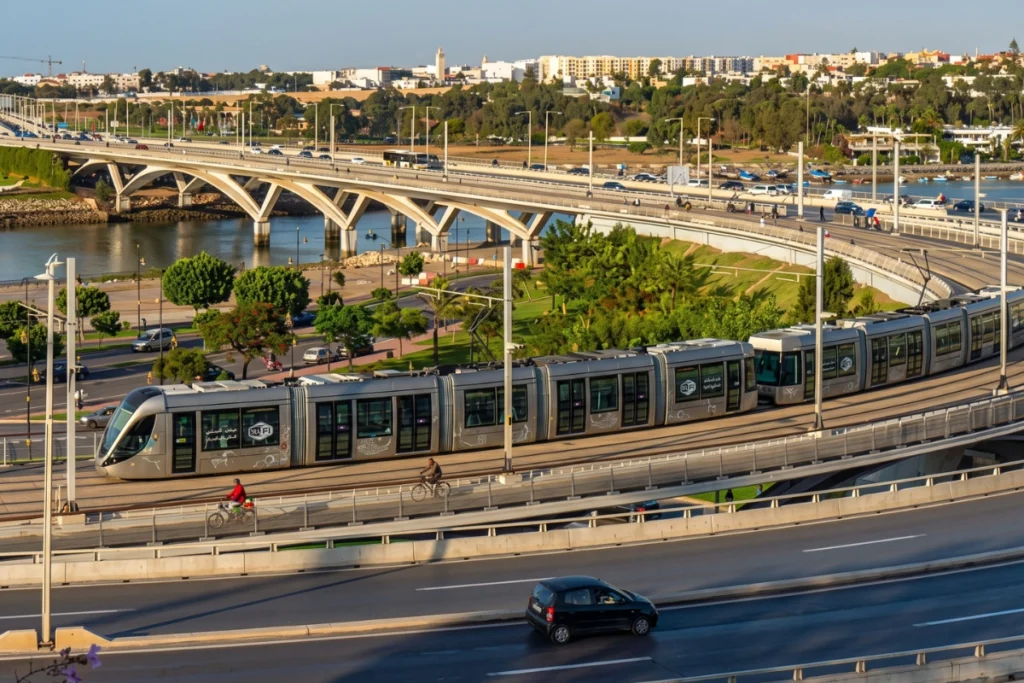
The Al Boraq high-speed train links Tangier and Casablanca in about 2 hours 10 minutes. Casablanca to Marrakech on the classic line takes roughly 2 hours 40 minutes to 3 hours, and Marrakech to Fes is a long day at around 6.5 hours, so check ONCF for the current services.
A high-speed extension to Marrakech is under construction, but recent reports give no firm opening date (earlier ones pointed to testing in 2029), so don’t plan around it.
Where there is no train, including Chefchaouen, Essaouira and the desert gateways, CTM and Supratours buses are the usual choice. They are comfortable and sell fixed-price tickets at stations and online.
Taxis and Private Transfers
Petit taxis within cities should use the meter, and if they won’t, agree the price before you get in. Grand taxis run shared routes between towns and are cheap but crowded. Many riads and hotels can arrange airport pickups at a fixed price, which is worth it after a long flight, particularly when your accommodation is deep inside a medina.
Renting a Car and Road Trips
A car is useful for routes such as Marrakech to Aït Benhaddou and Merzouga, or along the Atlantic coast, but it is a poor choice for the medina cities. Rent only for the stretches where you need one. Traffic accidents are common, mountain roads wind, poor lighting makes night driving risky and police checkpoints are routine, so carry your license, an international driving permit if your license requires one, and your rental documents. If you don’t want to drive, a private driver is a good option for the desert circuit, and the cost is shared if you travel in a group.
Where to Stay in Morocco
For a city-by-city breakdown, see our guide to Morocco hotels and riads.
Riads in Morocco
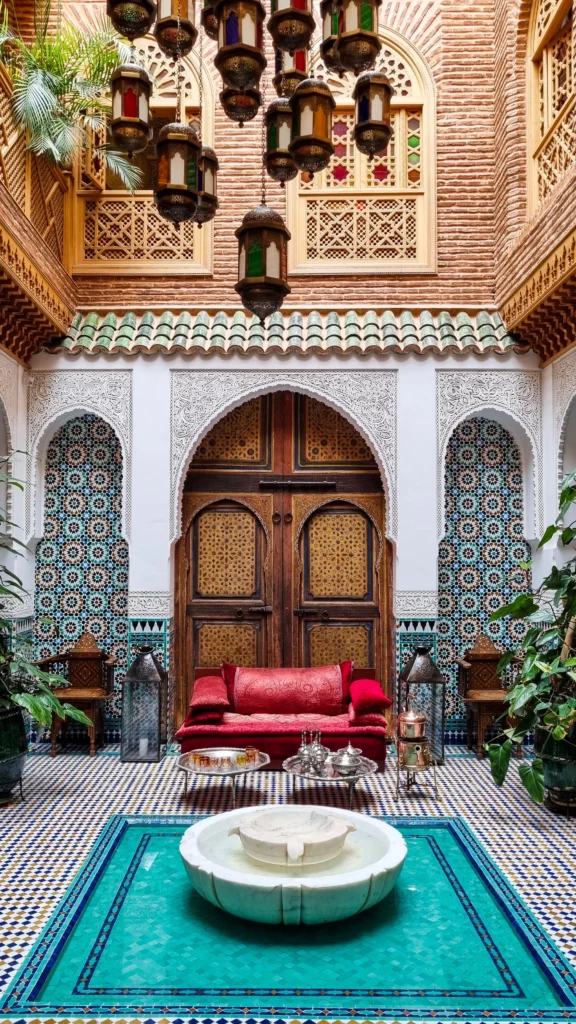
A riad is a traditional house built around an interior courtyard, usually with a rooftop terrace and a small number of rooms. Staying in one in the Marrakech or Fes medina is part of the experience.
Before booking, check how far it is from the nearest point a taxi can reach, since many medina lanes are too narrow for cars, and ask whether staff can meet you there with a luggage cart. Read recent reviews for noise and winter heating, because traditional courtyard houses can be cold.
Hotels in Morocco
Modern hotels and resorts are common in Casablanca, Rabat, Agadir and the newer parts of Marrakech. They suit travelers who want a pool, parking, a larger room or easy road access, and they are often the practical choice for road-trip stops.
Desert Camps and Unique Stays
Camps range from simple tents with shared facilities to luxury camps with private bathrooms and heating.
Other distinctive options include kasbah hotels in the Draa and Dadès valleys, mountain lodges in the High Atlas and surf camps near Taghazout. Book ahead in spring and autumn, and confirm exactly what a desert camp package includes.
Moroccan Food and Drinks
Food is one of the best reasons to visit. For regional dishes and what to order, see our Moroccan food guide.
Moroccan Dishes to Try
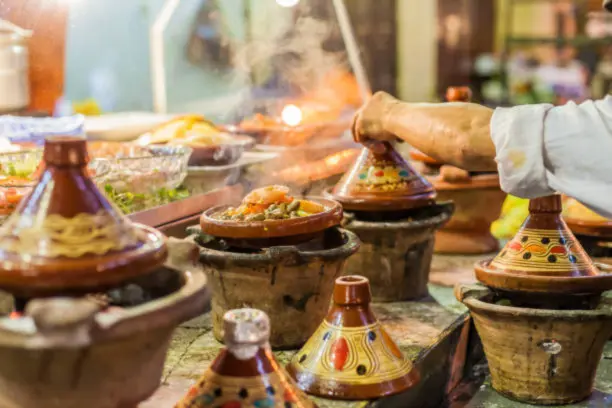
- Tagine: a slow-cooked stew served in a conical clay pot, with meat, fish or vegetables.
- Couscous: traditionally a Friday meal, served with vegetables and meat.
- Pastilla: a sweet and savory pie, often made with pigeon or chicken, almonds and cinnamon.
- Harira: a tomato and lentil soup, especially popular during Ramadan.
- Msemen and baghrir: flatbread and “thousand-hole” pancakes, common at breakfast.
- Tanjia: a Marrakech specialty of meat slow-cooked in a clay jar.
- Fresh fish and grilled sardines on the Atlantic coast, especially around Essaouira.
What to Eat in Morocco
Mix price levels. Street stalls and small local restaurants often serve the best-value meals, while riad dinners and upmarket restaurants offer a more elaborate experience. Eat where the food is busy and cooked to order. Vegetarians do well with vegetable tagines and couscous, but ask whether the broth contains meat, since this is not always obvious.
Moroccan Tea and Drinks
Mint tea is served everywhere and is a gesture of hospitality, so accept a glass when offered. Fresh orange juice is cheap and excellent. Alcohol is sold at licensed hotels, restaurants and bars, mainly in larger cities. UK government advice warns of methanol poisoning from counterfeit alcohol, so stick to licensed venues. Drink bottled or filtered water rather than tap water.
Morocco Travel Costs
Morocco travel costs vary widely by travel style, city and season. The figures below are approximate estimates drawn from 2026 traveler cost guides, not official prices, and exchange rates move, so use them to plan rather than to budget to the dirham.
Average Daily Budget
Per person, excluding international flights:
| Style | Approximate daily budget |
|---|---|
| Budget | $40–70 (hostels or simple riads, street food, buses) |
| Mid-range | $80–150 (private riads, restaurant meals, first-class trains, some guided activities) |
| Luxury | $300 and up (high-end riads, private drivers, fine dining) |
Marrakech and organized Sahara trips push costs toward the upper end. A desert trip is often the single largest expense of a first visit, so compare operators and read recent reviews before paying.
Accommodation Costs
Simple riad rooms and budget hotels cost far less than comparable stays in Western Europe, and a mid-range riad with breakfast is one of the best-value upgrades in the country.
Hostel dorm beds and basic rooms sit at the low end, while boutique riads and luxury hotels can cost many times more. Rates rise around Christmas, Easter and major holidays and fall for longer stays and in the off season.
Food and Transport Costs
Street food and local restaurants are inexpensive, while a sit-down dinner in a tourist-focused riad or restaurant costs noticeably more.
Intercity trains and buses are good value compared with Europe, and metered city taxis are cheap. Budget extra for guides, entry fees, tips and optional extras such as hammam treatments.
Tipping is informal: rounding up or leaving around 10 percent in restaurants is common, and drivers and guides generally expect more for a full day of service.
Morocco Visa, Safety and Travel Tips
Morocco Visa and Entry Requirements
Citizens of many countries, including the US, Canada, the UK, EU member states, Australia and New Zealand, can visit Morocco for up to 90 days without a visa. The list of exempt nationalities is long and can change, so check the Moroccan Ministry of Foreign Affairs or your nearest Moroccan embassy for your passport, and confirm against your own government’s travel advice.
Travelers who do need a visa may be able to apply for an electronic visa through Morocco’s official Access Maroc portal, which is open to specific categories, such as certain holders of residence permits or multiple-entry visas from particular countries.
The government’s e-visa page gives processing as roughly 24 to 72 hours and validity as 30 days. Use only the official portal, since look-alike sites charge extra fees.
Passport rules differ by nationality. The US State Department advises at least six months’ validity at entry and a blank page for the stamp, while UK government advice says at least three months after arrival.
Check your own government’s guidance, and make sure your passport is undamaged, since damaged documents have led to refused entry. Keep your entry stamp safe, because travelers without one have reported problems on departure. For more, see [[our Morocco visa requirements guide]].
Is Morocco Safe for Travelers?
For most visitors, yes, and millions of tourists visit without serious problems. The most common issues are petty theft in crowded places, persistent vendors and unofficial guides, and a handful of well-known scams (see below).
Keep valuables out of sight, take care with phones and bags in busy squares and on motorbike-filled streets, avoid isolated areas after dark and use licensed taxis at night.
Government advice also flags a terrorism risk, and it changes over time. At the time of writing, the US State Department lists Morocco at Level 2 (Exercise Increased Caution, issued 4 September 2026), and UK government advice, last updated in August 2026, describes a risk of attacks at transport hubs, tourist sites and crowded places.
Most trips are unaffected, but check your own government’s current advice before you book and again before you travel.
Other safety points for a first visit:
- Roads: Accidents are frequent. Avoid night driving and be cautious with unofficial ride-share taxis.
- Mountains and desert: Use licensed guides for treks beyond easy walks, check weather and road conditions, and make sure your insurance covers your activities.
- Alcohol: Buy it only from licensed venues because of methanol poisoning risks.
- Local laws: Drug possession is heavily punished, and drones require government permission.
Travel Considerations for Solo Women and LGBTQ+ Travelers
Many women travel solo in Morocco and have good trips, but unwanted attention and persistent comments are common, especially in busy medinas. Dressing modestly, being firm, using licensed taxis at night and choosing well-reviewed accommodation all help. Same-sex relations are illegal in Morocco and public displays of affection can cause offense or legal trouble for any couple, so LGBTQ+ travelers should read their government’s advice and plan accordingly.
Common Scams to Avoid
- “The road is closed”: someone claims your route is blocked and offers to lead you elsewhere, then asks for payment.
- Unofficial guides: self-appointed guides who attach themselves and then demand money. If you want a guide, book a licensed one with a visible badge.
- Taxis without meters: insist on the meter or agree a price first.
- “Free” henna or gifts: accepting often leads to a demand for payment.
- Overpriced tours and substituted goods: compare quotes, read recent reviews and check what you are handed before paying.
- Card fraud: use ATMs inside banks where possible, cover your PIN and check your statements.
Health and Travel Essentials
Drink bottled or filtered water, wash fruit and vegetables, and be careful with raw salads if you have a sensitive stomach. Bring sunscreen, a hat and any prescription medication in its original packaging. Take out travel insurance that covers medical care and cancellation, and ask a doctor or travel clinic about vaccines before you go.
Morocco Culture and Etiquette
Moroccan Customs and Dress
Morocco is a Muslim-majority country with Arab, Amazigh (Berber) and European influences. Dress modestly, especially in rural areas and around religious sites. Most mosques are closed to non-Muslim visitors, and the Hassan II Mosque in Casablanca is a notable exception through guided visits. Ask before photographing people, particularly women, and keep public displays of affection discreet.
Greetings and Social Etiquette
A simple “Salam alaykum” (peace be upon you) is a warm opener, and handshakes are common between people of the same gender. Use your right hand for eating, passing items and greeting. If you are invited into a home, bring a small gift such as pastries, remove your shoes at the door and accept the tea.
Bargaining in Souks
Haggling is normal in souks but not in fixed-price shops, restaurants or metered taxis. Ask the price, counter well below it and settle somewhere in between with a smile. Don’t bargain unless you are genuinely interested, and walking away politely is part of the process. If a seller has spent time with you over tea, treat it as hospitality, but don’t feel obliged to buy.
Ramadan and Respect for Local Culture
During Ramadan, Muslims fast from dawn to sunset. Visitors are not expected to fast, but it is polite to avoid eating, drinking or smoking in public during the day, especially in smaller towns. Some restaurants close or reduce their hours in the daytime, working hours are shorter and sights may open later, while evenings are lively once the fast is broken.
Ramadan 2027 is expected to begin around 8 February 2027, but the exact date depends on the moon sighting and is confirmed locally. Eid al-Adha is expected around 16 May 2027, subject to the same moon sighting, and transport and accommodation are in higher demand around Eid. Morocco moved its clocks back an hour for Ramadan in 2026, so check your bookings and transport times if you travel then.
Morocco Itinerary Ideas
These outlines are built around realistic travel times, with at least two nights at most stops. Journey times are approximate and depend on traffic, stops and weather. For full routes, transport tips and alternatives, see our Morocco itinerary guide.
5-Day Morocco Itinerary
This works best as a Marrakech base with day trips, not a tour of the whole country.
- Day 1: Arrive in Marrakech and keep the evening easy, perhaps Jemaa el-Fnaa at dusk.
- Day 2: Marrakech medina, souks, a palace or museum, and a garden.
- Day 3: Day trip to the Atlas Mountains, such as Imlil, for a walk and lunch in a village.
- Day 4: Day trip to Essaouira (roughly three hours each way), or a slower day in Marrakech if that is too much driving.
- Day 5: Morning hammam and last souk shopping, then depart.
7-Day Morocco Itinerary
A week is enough for the classic loop, but it involves a lot of driving. If that doesn’t appeal, stay with the 5-day plan and add Essaouira.
- Days 1–2: Marrakech.
- Day 3: Cross the High Atlas via Aït Benhaddou and continue to the Dadès Gorge area (a long driving day).
- Day 4: Continue to Merzouga for a late-afternoon camel ride and a night in a camp.
- Day 5: Sunrise over the dunes, then the long drive to Fes (roughly seven hours before stops).
- Day 6: Full day in Fes.
- Day 7: Depart from Fes.
10-Day Morocco Itinerary
This gives the same loop more breathing room and ends in the north.
- Days 1–3: Marrakech, including a day in the Atlas or a slow day to recover.
- Day 4: Marrakech to Aït Benhaddou, with a stop at the kasbah.
- Day 5: Dadès or Todra Gorge, continuing toward Merzouga.
- Day 6: Sahara camp, with sunrise on the dunes.
- Day 7: Drive to Fes.
- Day 8: Fes.
- Days 9–10: Chefchaouen, then depart from Tangier if you booked an open-jaw ticket, or continue by bus or train.
14-Day Morocco Itinerary
Two weeks lets you add the Atlantic coast without cutting the rest short.
- Days 1–2: Marrakech.
- Days 3–4: Essaouira.
- Day 5: Return to Marrakech.
- Day 6: Marrakech to Aït Benhaddou.
- Day 7: Dadès or Todra Gorge.
- Day 8: Merzouga and a night in the Sahara.
- Day 9: Drive to Fes.
- Days 10–11: Fes.
- Days 12–13: Chefchaouen.
- Day 14: Travel to Tangier and depart, or take the Al Boraq train to Casablanca for a final night and the Hassan II Mosque.
Morocco Travel Guide: Practical Tips
SIM Cards, eSIM and Internet
You can buy a local SIM from Maroc Telecom, Orange or inwi (bring your passport), or install an eSIM before you land if your phone supports it. Check your home carrier’s roaming charges first, since they can be expensive. Most riads and cafés have Wi-Fi, although speeds vary. Download offline maps before entering a medina, because signals and street names can be unreliable.
Money, Cards and Cash
The dirham is a non-convertible currency: you can get it from ATMs and exchange offices in Morocco, but it is hard to exchange abroad, and the authorities limit how many dirham banknotes can be brought in or taken out (reported at around 2,000 MAD). Spend or exchange what is left before you leave.
Avoid exchanging cash at airport or hotel counters unless you have no alternative, since rates there are usually poor, and use ATMs at banks where possible. Carry small notes and coins for taxis, tips and street food, and use cards at hotels and larger restaurants, declining any “dynamic currency conversion” offer that charges you in your home currency.
Large amounts of foreign currency must be declared to customs, but governments quote different thresholds (UK advice says 100,000 MAD, US advice says 15,000 MAD), so confirm with Morocco’s customs authority (ADII) before you travel with significant cash, and declare anything near either figure.
Language and Useful Phrases
Moroccan Arabic (Darija) is the everyday language, and French is widely used in business and tourism. English is common in tourist areas. A few words go a long way:
- Salam alaykum: hello
- Shukran: thank you
- La, shukran: no, thank you
- Bshhal?: how much?
- Mezyan: good
- Bslama: goodbye
What to Pack
- Lightweight, loose clothing that covers shoulders and knees
- A scarf for sun, sand and mosque-area visits
- Comfortable closed shoes for uneven medina streets
- Warm layers for desert nights and the Atlas, especially outside summer
- Sunscreen, sunglasses and a hat
- A plug adapter (Types C and E)
- A secure daypack and a refillable water bottle
- A small flashlight or headlamp for camps and dark lanes
- Copies of your passport and insurance details
Morocco Travel Guide FAQs
Is Morocco Expensive to Visit?
Generally no. Morocco is good value for travelers from Europe and North America, and daily costs depend mainly on where you stay and whether you book a Sahara tour. See the costs section above for approximate ranges.
Is Morocco Safe for Tourists?
Most visitors have trouble-free trips. The usual risks are petty theft in crowded places, persistent vendors and a few common scams. Government advisories also note a terrorism risk, so check your own government’s current advice before you go, use licensed guides and metered taxis, and avoid isolated areas after dark.
What Is the Best Time to Visit Morocco?
Spring (March to May) and autumn (September to November) offer the most comfortable weather for combining cities and the desert. Summers are very hot inland, and winters are cold in the mountains and desert at night.
Do I Need a Visa for Morocco?
Many nationalities, including US, Canadian, UK, EU, Australian and New Zealand citizens, can enter without a visa for up to 90 days. Others may need a visa, or may be eligible for an e-visa through the official Access Maroc portal. Check with the Moroccan Ministry of Foreign Affairs or your nearest embassy.
How Many Days Do You Need in Morocco?
Five days is enough for Marrakech with day trips. A week is the minimum for the desert loop, and ten days to two weeks gives a comfortable first trip without constant driving.
What Are the Best Places to Visit in Morocco?
For a first trip, focus on Marrakech, Fes, the Sahara near Merzouga and Chefchaouen, and add Essaouira or Taghazout for the coast. See our guide to the best places to visit in Morocco.
How Do You Get Around Morocco?
Trains are best between major cities such as Casablanca, Rabat, Tangier and Fes. CTM and other bus companies connect destinations not served by train, while taxis are useful for shorter journeys. Renting a car offers more flexibility for exploring the Atlas Mountains, remote villages and the Sahara Desert. For long journeys, plan your travel time in advance and allow extra time for stops.
Conclusion
The best Morocco travel guide is the one that matches your pace: fewer stops, longer stays and a margin for the long drives. Pick your route, check the entry and safety advice for your own passport, and use the dedicated guides above for each destination.