25 Best Things to Do in Morocco: Experiences Worth Your Time
Morocco fits more variety into one trip than almost any country its size. The best things to do in Morocco range from getting happily lost in a centuries-old medina to sleeping under the stars in the Sahara, hiking the highest peaks in North Africa and learning to surf on the Atlantic coast, often just a few hours apart.
This guide focuses on what you can actually do: 25 Morocco activities and unique experiences, grouped by type, with notes on where to go and how long to allow. It leaves out the full trip-planning detail. For costs, transport, visas, safety and itineraries, use our Morocco Travel Guide: Tips, Costs & Itineraries.
Best Things to Do in Morocco at a Glance
Short on time? Here is the full list in one view, with the place to find each experience and who it suits best. If you are still choosing where to base yourself, see our overview of the best places to visit in Morocco [Internal link: Best Places to Visit in Morocco].
| # | Experience | Where | Best for |
|---|---|---|---|
| 1 | Marrakech Medina and Jemaa el-Fnaa | Marrakech | First-timers, food, atmosphere |
| 2 | Medina of Fes | Fes | History, crafts |
| 3 | Chefchaouen’s blue streets | Rif Mountains | Photography, slow travel |
| 4 | Rabat’s historic landmarks | Rabat | Relaxed city sightseeing |
| 5 | Hassan II Mosque | Casablanca | Architecture |
| 6 | Night in a Sahara camp | Merzouga or Erg Chigaga | A once-in-a-lifetime night |
| 7 | Sunrise over the dunes | Erg Chebbi | Photography |
| 8 | Merzouga and Erg Chebbi | Southeast Morocco | The most accessible dunes |
| 9 | Erg Chigaga | Near M’Hamid | Remote desert, fewer crowds |
| 10 | Hiking in the Atlas Mountains | Imlil and High Atlas | Trekkers, village walks |
| 11 | Ouzoud Waterfalls | Near Azilal | Families, day trips |
| 12 | Todra and Dades Gorges | Near Tinghir | Scenic drives, climbing |
| 13 | Draa Valley palm groves | Agdz to Zagora | Oases and kasbahs |
| 14 | Essaouira’s medina | Atlantic coast | Laid-back coastal culture |
| 15 | Surfing in Taghazout | Near Agadir | Surfers of every level |
| 16 | Atlantic beaches | West coast | Downtime |
| 17 | Traditional hammam | Any city | Relaxation |
| 18 | Traditional Moroccan dishes | Everywhere | Food lovers |
| 19 | Moroccan cooking class | Marrakech, Fez, Essaouira | Hands-on learning |
| 20 | Souks and artisan workshops | Fez, Marrakech | Crafts, souvenirs |
| 21 | Stay in a riad | Medinas | Atmosphere |
| 22 | Aït Benhaddou Ksar | Near Ouarzazate | History, film fans |
| 23 | Roman ruins of Volubilis | Near Meknes | Ancient history |
| 24 | Historic kasbahs | South and Atlas | Architecture |
| 25 | Lesser-known towns and villages | Across Morocco | Off the beaten path |
Explore Morocco’s Historic Cities
1. Explore the Marrakech Medina and Jemaa el-Fnaa
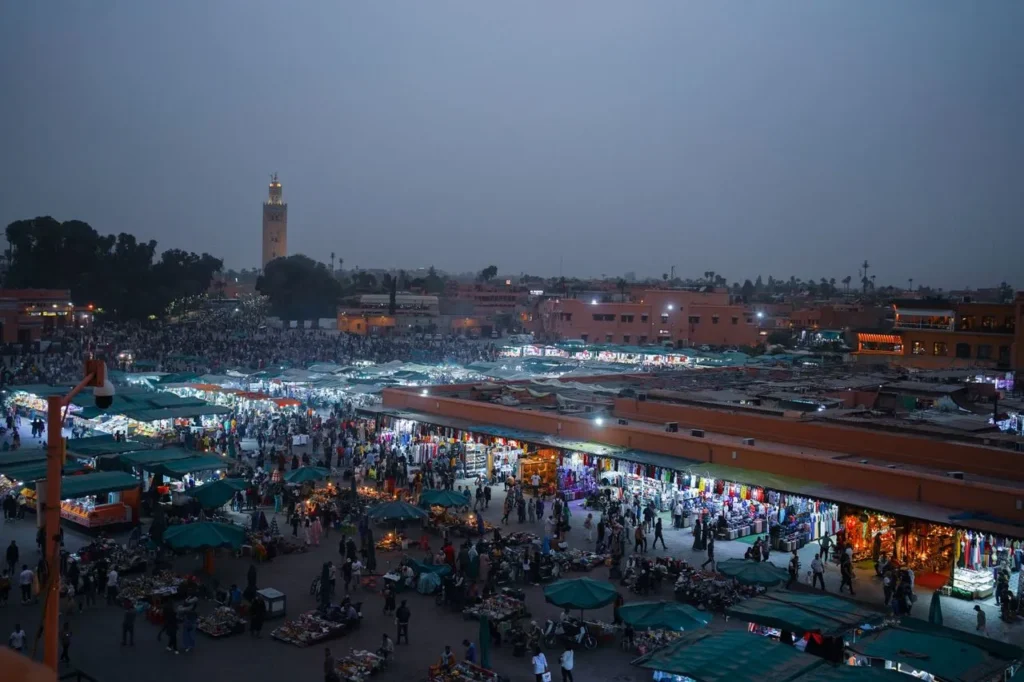
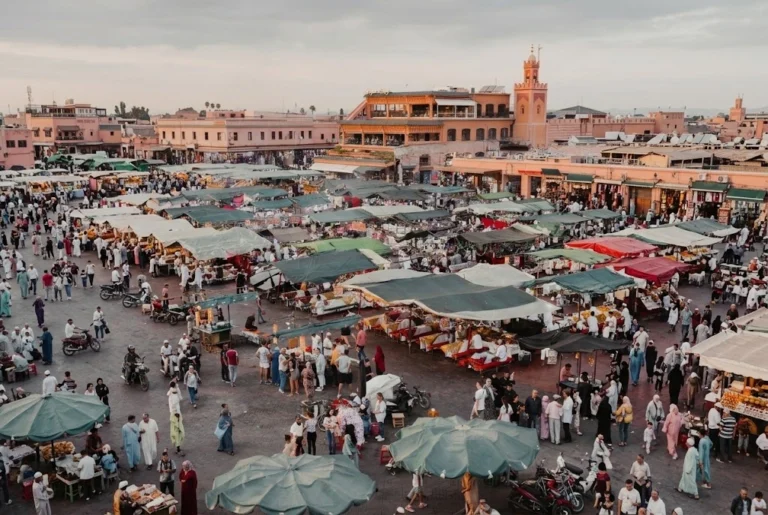
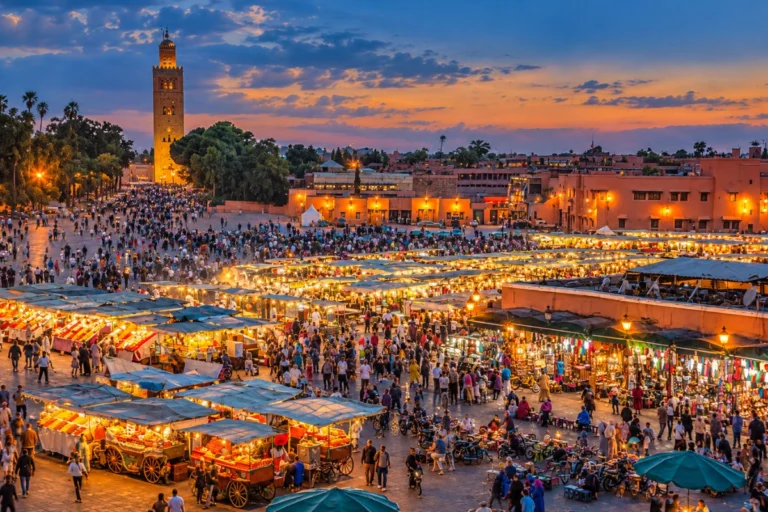
Marrakech is the classic starting point. The medina’s alleys, souks and palaces fan out from Jemaa el-Fnaa, a square that shifts from quiet daytime plaza to a night-time stage of food stalls, storytellers and musicians.
Watch the sunset from a café terrace, then visit the Bahia Palace, Saadian Tombs and Ben Youssef Madrasa early the next morning, before the tour groups arrive. Allow two to three days for the medina, the palaces and a garden or two. For the rest of the city, see our guide to things to do in Marrakech [Internal link: Things to Do in Marrakech].
2. Discover the Ancient Medina of Fez
Fes el-Bali is one of the largest car-free urban areas in the world, a UNESCO-listed maze of thousands of lanes where donkeys still carry goods. It is home to AL Quaraouiyine, founded in 859 and often cited as the oldest continuously operating university.
Hire a licensed guide for the first half-day, then explore on your own: the Chouara tannery (viewed from a terrace), the Bou Inania Madrasa and the metalworkers’ square. Give Fez at least two nights. For more ideas, see our guide to things to do in Fes
3. Wander Through Chefchaouen’s Blue Streets
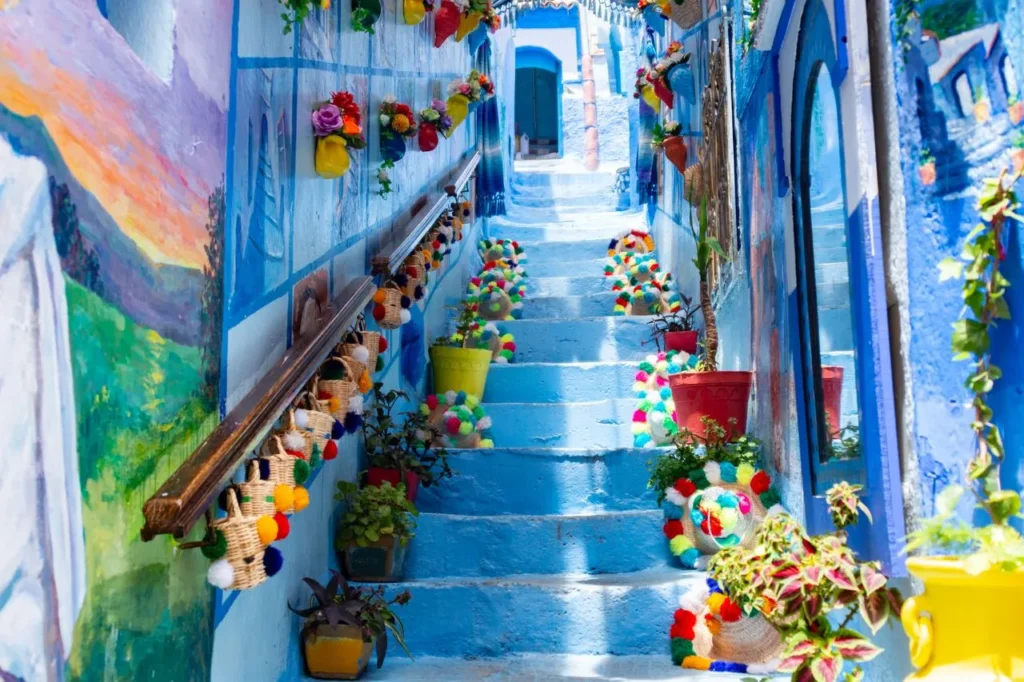
Tucked into the Rif Mountains, Chefchaouen is famous for its blue-washed medina. Go early in the morning, when the lanes are quiet and the light is soft.
Visit the Kasbah museum and climb to the Spanish Mosque viewpoint for sunset. One night is enough for the medina; add a spare day if you want to hike in nearby Akchour. For a full plan, see our guide to things to do in Chefchaouen.
4. Discover Rabat’s Historic Landmarks
Morocco’s capital is calmer and greener than Marrakech or Fez, which makes it a good place to slow down. Highlights include the unfinished Hassan Tower, the Mausoleum of Mohammed V, the Kasbah of the Udayas with its Andalusian garden and the Chellah necropolis, where Roman and medieval ruins share the same site.
One full day covers the main sights.
5. Visit Casablanca’s Hassan II Mosque
Completed in 1993 and partly built over the Atlantic, the Hassan II Mosque has one of the tallest minarets in the world. It is one of the few mosques in Morocco that non-Muslims can enter, but only on a guided visit outside prayer times. Tours run at set times in the morning and early afternoon, so check the current schedule and prices on the Hassan II Mosque Foundation’s website before you go.
Cover your shoulders, chest and knees, and expect to remove your shoes. Allow around one to two hours, including the guided tour (usually about 45 to 60 minutes) and time on the waterfront. Most travellers see Casablanca in a few hours, and this is the reason to stop.
Sahara Desert Experiences in Morocco
6. Spend a Night in a Sahara Desert Camp
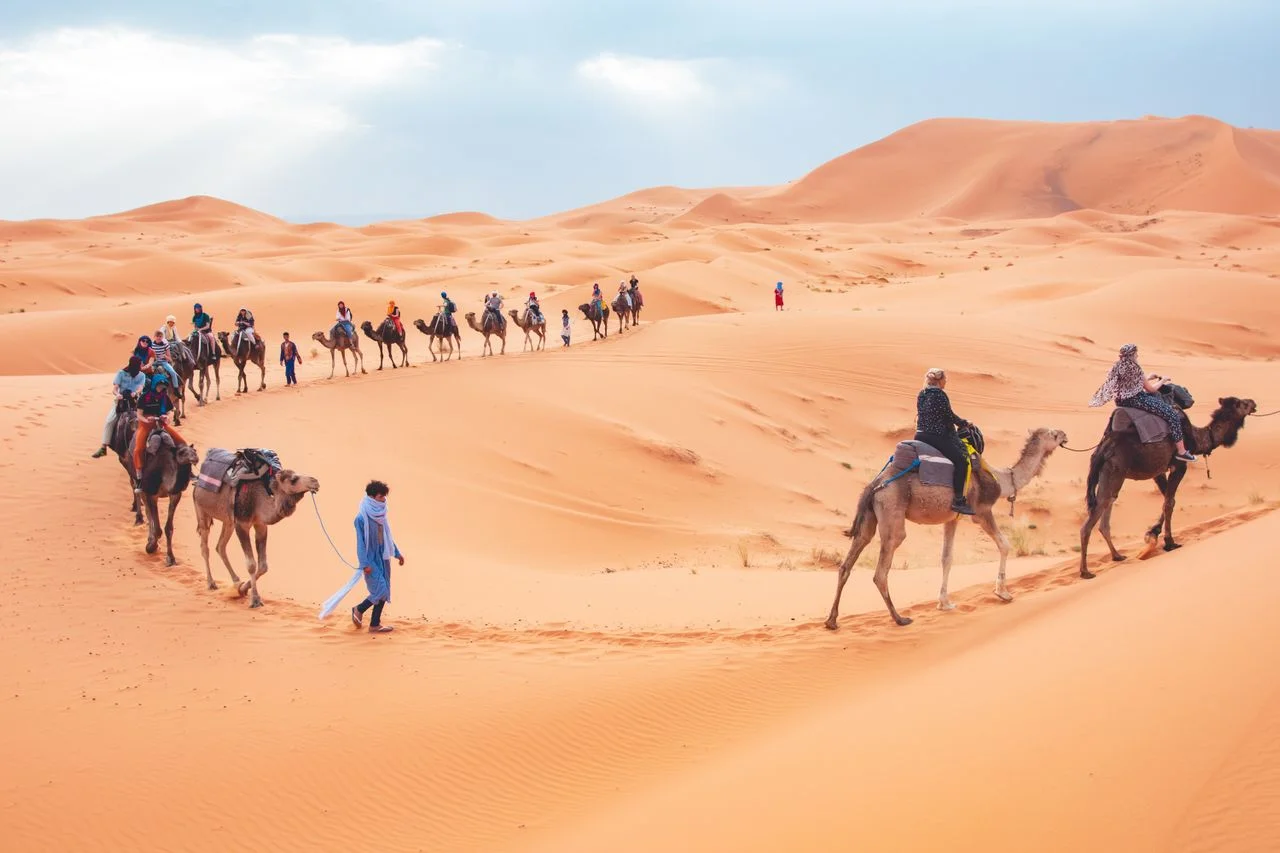
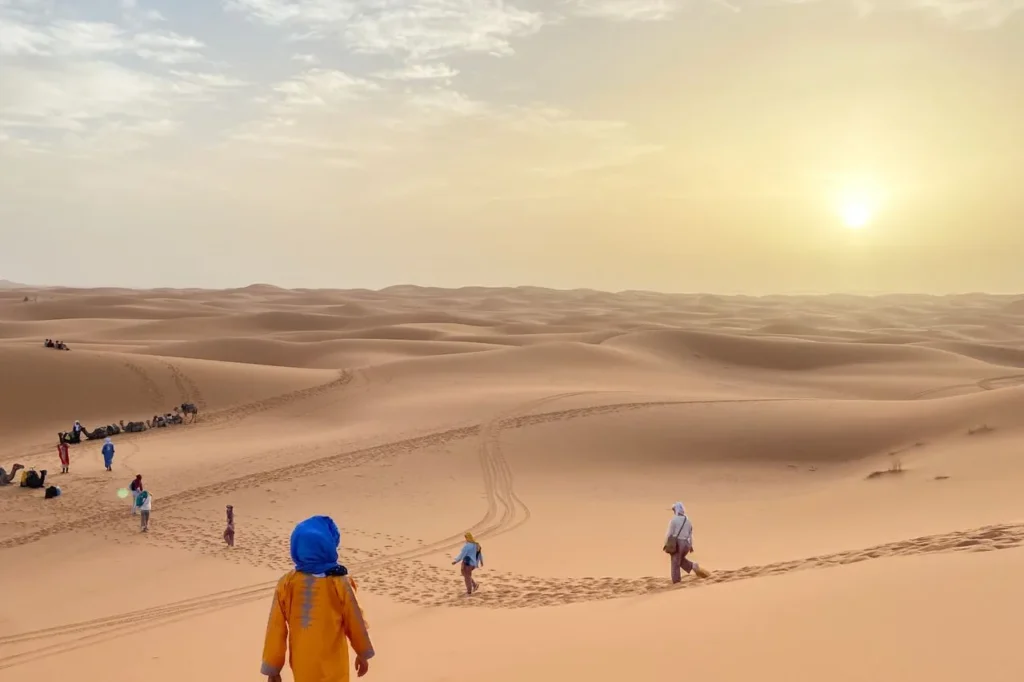
A night in the desert is the experience many travellers plan the whole trip around. Expect a camel ride at sunset, a tagine dinner, drumming around the fire and a sky full of stars.
Camps range from simple tents to luxury tents with private bathrooms, so check what is included before you book. Smaller camps with good reviews usually feel more authentic than large, busy ones.
7. Watch the Sunrise Over the Sand Dunes
Set an alarm before dawn and climb the nearest high dune. Climbing soft sand is slower than it looks, so allow 30 to 45 minutes and wear layers, because desert mornings are cold.
The sand shifts from deep orange to gold as the sun rises, and the stillness is the real reward.
8. Explore Merzouga and Erg Chebbi
Erg Chebbi is the most accessible big dune field in Morocco, rising to roughly 150 metres, with the village of Merzouga as its base. Add a 4×4 excursion, sandboarding, a visit to Khamlia for Gnawa music or the market in nearby Rissani.
The drive from Marrakech is about 560 km, or roughly 9 to 10 hours without stops, so most visitors allow at least three days for the round trip. For tour options, see our Morocco desert tours guide.
9. Discover Erg Chigaga’s Remote Desert Landscapes
Near M’Hamid El Ghizlane, Erg Chigaga is wilder, bigger and much quieter than Erg Chebbi. Getting there takes a 4×4 and extra travel time, which is exactly why it sees fewer visitors.
Plan an overnight stop on the way from Marrakech. Choose Chigaga if you want silence and space, and Merzouga if you want an easier journey.
Outdoor Activities in Morocco: Mountains, Waterfalls and Gorges
10. Hike in the Atlas Mountains
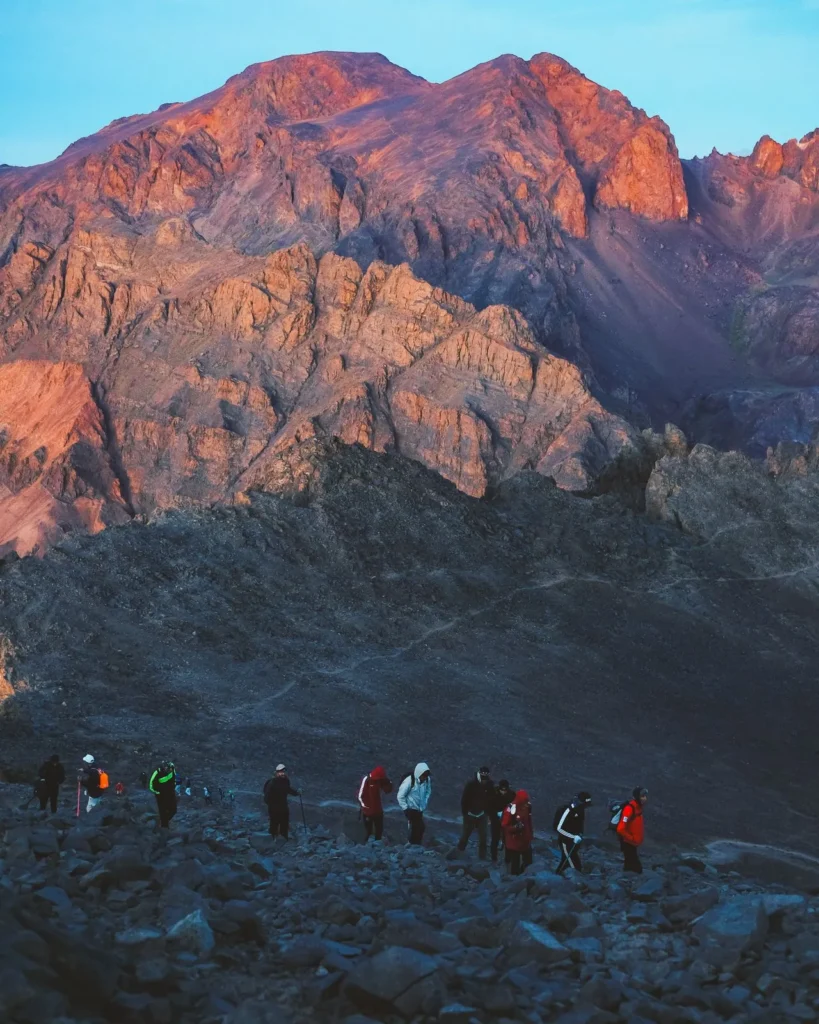
The High Atlas offers everything from gentle village walks to serious summits. Imlil is the gateway to Mount Toubkal, at 4,167 metres the highest peak in North Africa. Most people climb it in two days, with an overnight stay at a mountain refuge.
Summer to early autumn is easiest, while winter requires crampons and an ice axe. If you want something lighter, walk between Amazigh villages or visit the Ourika Valley.
11. Visit the Ouzoud Waterfalls
About 110 metres high, the Ouzoud Waterfalls near Azilal are one of Morocco’s most photogenic natural sights. Walk down to the base, take a short boat ride under the falls and look out for the Barbary macaques along the trail.
Spring has the strongest flow. The falls are about 150 km from Marrakech, so they work as a long day trip or a relaxed overnight stay, and three to four hours at the falls is enough for most visitors.
12. Explore Todra and Dades Gorges
Near Tinghir, the sheer walls of Todra Gorge rise on either side of a narrow riverbed, reaching roughly 160 metres at the narrowest point, and the cliffs are popular with climbers. Nearby, the Dades Valley is known for its hairpin road and the rock formations nicknamed the Monkey Fingers.
Both fit neatly on the road between Merzouga and Ouarzazate, and half a day in each is usually enough.
13. Discover the Draa Valley and Its Palm Groves
The Draa is Morocco’s longest river, and its valley is a long ribbon of palm groves, mud-brick villages and kasbahs, such as the Tamnougalt Kasbah near Agdz.
Drive or cycle the stretch from Ouarzazate to Zagora, and continue to M’Hamid if you are heading to Erg Chigaga. Allow a full day with stops. It is quiet, green and a good contrast to the dunes.
Enjoy Morocco’s Atlantic Coast
14. Explore Essaouira’s Historic Medina
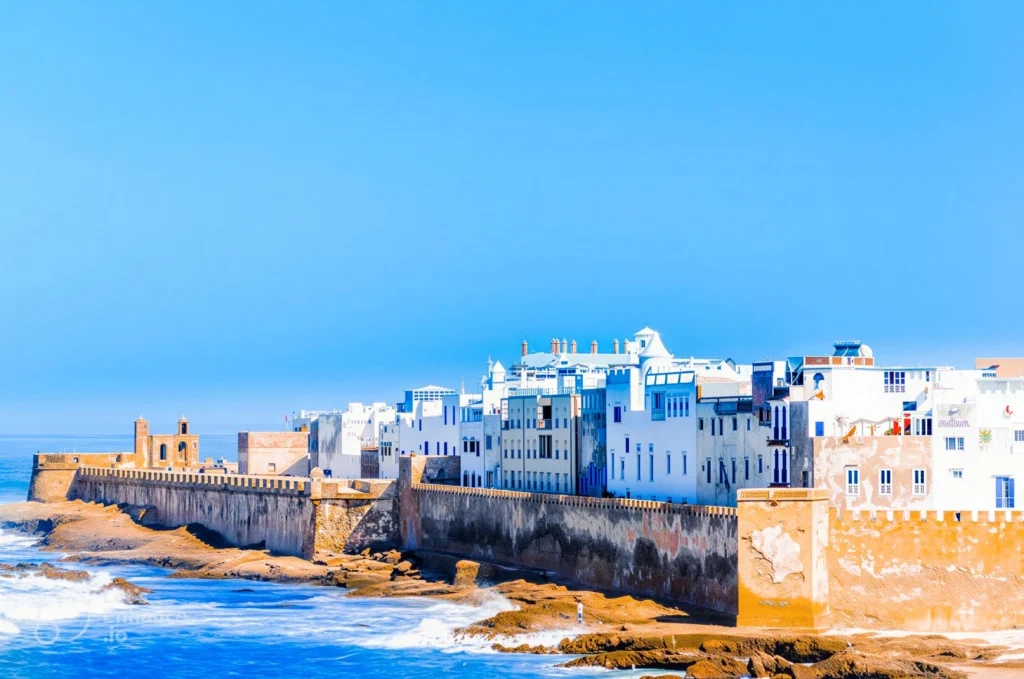
Essaouira’s UNESCO-listed medina is compact, walkable and far more relaxed than the imperial cities. Walk the ramparts and the Skala de la Ville, watch the blue fishing boats in the harbour and eat grilled fish from the stalls at the port.
Browse the workshops for thuya wood carving. The wind keeps summer temperatures lower and makes the town a kitesurfing and windsurfing hub. One or two nights is plenty. For more, see our guide to things to do in Essaouira.
15. Learn to Surf in Taghazout
North of Agadir, Taghazout is a laid-back fishing village that has become Morocco’s surf capital. Surf schools offer lessons for beginners, and more experienced surfers head for breaks such as Anchor Point.
Swell is strongest from autumn to early spring, but beginner-friendly waves are available much of the year. Imsouane, a little further north, is known for its very long, gentle wave.
16. Relax on Morocco’s Atlantic Beaches
Morocco’s coastline is long and varied. Oualidia has a calm lagoon and is known for its oysters, Agadir has a wide promenade and sandy beach, Sidi Kaouki is a quiet stretch near Essaouira and Asilah is a whitewashed town with a small beach.
Expect cool water and breezy days, which makes the Atlantic better for walking and surfing than for long swims.
Cultural Experiences in Morocco: Food, Hammams and Crafts
17. Experience a Traditional Moroccan Hammam
The hammam is a steam bath and a social ritual. A typical visit includes a rinse with black soap (savon beldi), a firm scrub with a kessa glove and a ghassoul clay wrap. Allow one to two hours.
Local neighbourhood hammams are cheap and basic, while spa hammams are more private and comfortable. Wear swimwear or underwear, and bring flip-flops.
18. Taste Traditional Moroccan Dishes
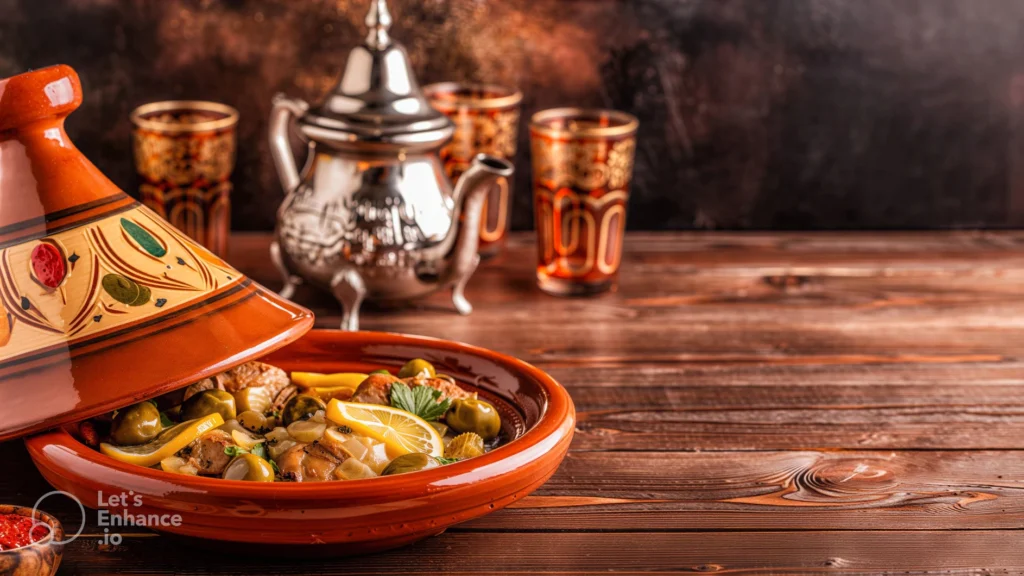
Start with a lamb or chicken tagine, then try couscous (traditionally served on Fridays), pastilla (a sweet and savoury pie), harira soup and msemen, a flaky pan-fried bread. In Marrakech, look for tanjia, a slow-cooked meat dish.
Finish every meal with mint tea. For street food, choose busy stalls where the food is cooked in front of you. For more dishes and where to find them, see our guide to Moroccan food.
19. Take a Moroccan Cooking Class
A cooking class is one of the best ways to understand the cuisine. Most start with a visit to the market, then move to the kitchen to prepare salads, a tagine and bread.
Classes run in Marrakech, Fez and Essaouira and usually last three to four hours. Ask about vegetarian options before you book.
20. Explore Traditional Souks and Artisan Workshops
Each city has its own specialities: leather and metalwork in Fez, babouche slippers and lanterns in Marrakech, thuya wood in Essaouira, and rugs and argan oil in the Atlas and the south. Watching artisans at work gives you context for the price.
Bargain with a smile, make a fair counter-offer and walk away politely if you are not comfortable. For argan oil, buy from a women’s cooperative where possible. Half a day is enough for a good browse.
21. Stay in a Traditional Moroccan Riad
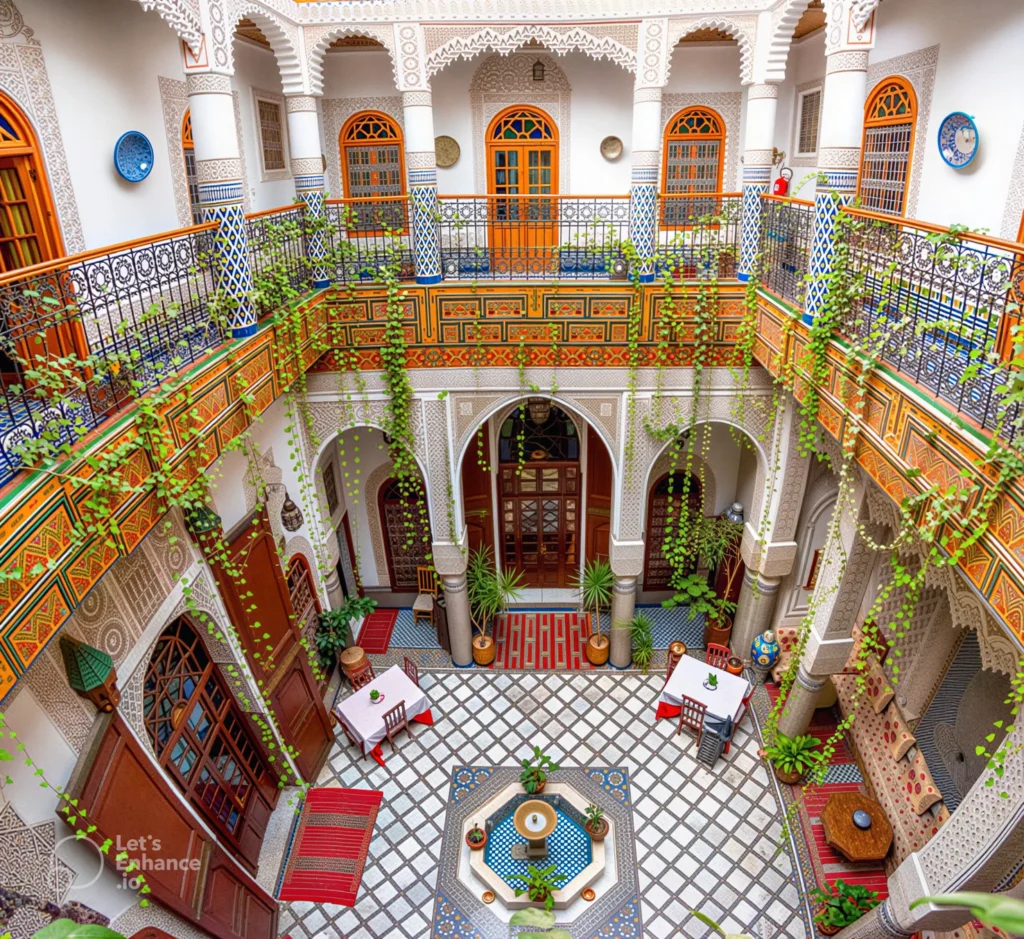
A riad is a traditional house built around an interior courtyard, often with a fountain, rooftop terrace and breakfast served in the courtyard. Staying in one puts you inside the medina and away from large hotels.
Most medina streets are too narrow for cars, so ask your riad to arrange a pickup from the nearest gate or from the airport. Our Morocco Travel Guide covers accommodation in more detail.
Discover Morocco’s History and Hidden Gems
22. Explore the Aït Benhaddou Ksar
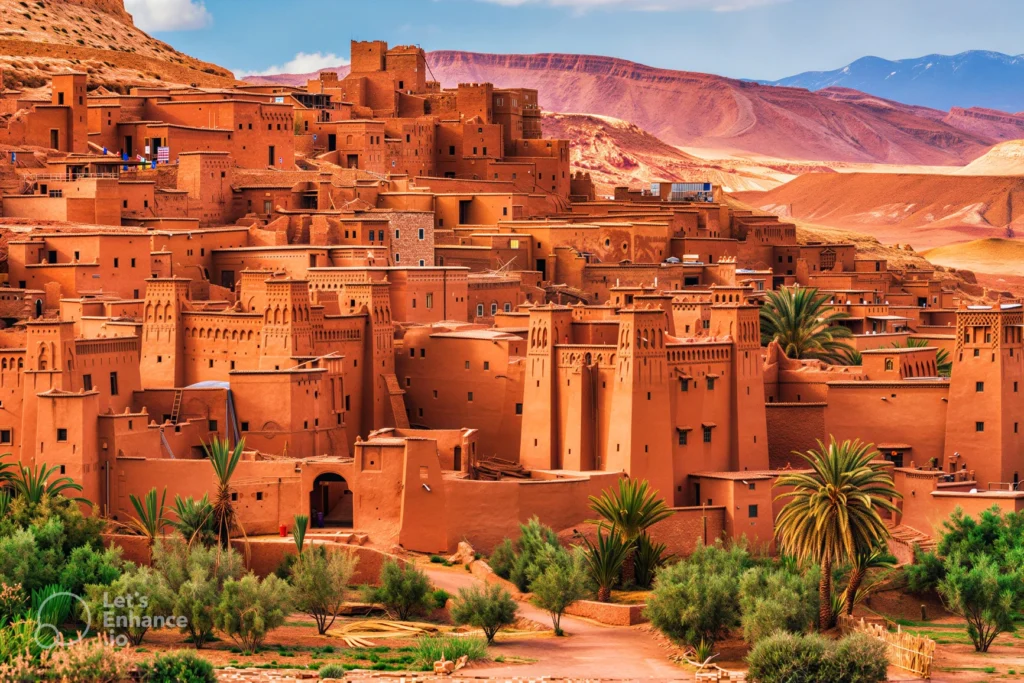
This fortified village of earthen buildings near Ouarzazate has been a UNESCO World Heritage Site since 1987 and has appeared in films and series, including Gladiator and Game of Thrones.
Day-trippers arrive in the middle of the day, so stay overnight if you can and walk through in the early morning or at sunset. Ouarzazate’s film studios are nearby if you want to dig deeper.
23. Visit the Roman Ruins of Volubilis
Volubilis is one of the best-preserved Roman sites in Morocco, with mosaics, a triumphal arch and the remains of a basilica set among olive groves near Meknes. There is little shade, so go early or late, and allow about two hours.
Combine it with a visit to the nearby holy town of Moulay Idriss and the imperial city of Meknes.
24. Discover Morocco’s Historic Kasbahs
Kasbahs, the fortified residences of local rulers, line the old caravan routes of the south. Telouet, once the home of the powerful Glaoui family, Taourirt in Ouarzazate and Tamnougalt in the Draa Valley are among the easiest to visit.
The Kasbah of the Udayas in Rabat shows a coastal version. Together they make a good theme for a road trip.
25. Explore Lesser-Known Towns and Villages
If you have extra time, go beyond the headline sights. Asilah has whitewashed lanes and murals, Azrou and Ifrane are surrounded by cedar forests with Barbary macaques, Taroudant has intact ramparts and a quieter souk than Marrakech, and Tafraoute is set among the Anti-Atlas mountains and known for its almond blossom, usually around February.
These stops are where you are most likely to talk with locals and see everyday life.
Best Morocco Activities by Interest
Best Things to Do in Morocco for First-Time Visitors
Build your trip around Marrakech, Fez and a night in the Sahara, then add either Chefchaouen or Essaouira depending on whether you prefer mountains or sea. Aït Benhaddou makes an easy stop on the way to the desert. For a route that links these without wasting time on the road, see our Morocco itinerary [Internal link: Morocco Itinerary].
Best Free and Low-Cost Experiences in Morocco
Many of the best things to do in Morocco cost little or nothing. Free options include wandering the medinas of Fez and Marrakech, soaking up the evening atmosphere on Jemaa el-Fnaa, walking Chefchaouen’s blue streets and spending time on the Atlantic beaches.
Affordable options include a visit to a local neighbourhood hammam, street food from busy stalls, mint tea on a café terrace and sites with a small entry fee, such as the Chellah necropolis in Rabat (check the current price). For typical costs and budgeting, see our Morocco Travel Guide: Tips, Costs & Itineraries.
Best Things to Do in Morocco for Families
Children tend to love Ouzoud’s waterfalls and macaques, camel rides, the Agafay desert near Marrakech, Essaouira’s beaches and the gardens of Marrakech, such as the Majorelle and Menara.
Avoid packing in long drives, and choose riads or hotels with a pool for downtime. A shorter Sahara trip to Agafay is a gentler alternative to Merzouga.
Best Adventure Activities in Morocco
Beyond the Toubkal trek, Taghazout surf and Todra climbing covered above, you can take a hot-air balloon flight over Marrakech at sunrise, ride quads in the Agafay desert or kitesurf at Essaouira. Most can be booked locally, but always check safety standards and equipment with the operator.
How to Plan Your Morocco Activities
These are the basics for choosing an activity. For full trip planning, including costs, transport, visas and safety, see our Morocco Travel Guide: Tips, Costs & Itineraries.
Best Time to Do Each Activity
Sahara camps are most comfortable from October to April. Toubkal is easiest from May to October, surf is best from autumn to early spring, and Chefchaouen and the cities are at their best in spring and autumn. Summer is very hot in Marrakech and the Sahara, so favour the coast or the mountains. For month-by-month detail, see our guide to the best time to visit Morocco.
Ramadan moves each year. Opening hours change and some daytime restaurants close, but evenings are lively.
How Many Days to Allow
Five to seven days covers the main highlights, and ten or more lets you add Chefchaouen and the coast at a gentler pace. For day-by-day routes, see our Morocco itinerary.
Getting Between Activities
Trains link Marrakech, Casablanca, Rabat, Fez and Tangier, and the Al Boraq high-speed line runs between Tangier and Casablanca. CTM and Supratours buses reach Essaouira, Chefchaouen and Merzouga. For the Atlas, the gorges and the desert, a driver or organised tour is easier than public transport.
Etiquette When Joining Activities
Dress modestly in medinas and at religious sites, ask before photographing people and agree prices for guides and activities in advance. Non-Muslims cannot generally enter active mosques, with rare exceptions such as the Hassan II Mosque on a guided visit.
Frequently Asked Questions About Things to Do in Morocco
What Is Morocco Most Famous For?
Morocco is best known for its medinas and souks, the Sahara Desert, tagine and mint tea, riads, the Atlas Mountains and its Amazigh, Arab and Andalusian heritage.
What Is the Number-One Tourist Attraction in Morocco?
There is no official ranking, but the Marrakech medina and Jemaa el-Fnaa top most lists. The Sahara is the signature natural experience.
Can You Visit the Sahara Desert Without a Tour?
Yes. You can reach Merzouga by bus or rental car and book a camp directly. For Erg Chigaga or remote areas, a 4×4 transfer is needed, so most travellers prefer to book a tour for the logistics.
Final Thoughts on the Best Things to Do in Morocco
The best things to do in Morocco are rarely about ticking off sights. They are about the contrast: busy medina mornings, quiet desert nights, mountain air and an Atlantic breeze. Pick the experiences that match your pace and your season, leave room to wander and let the trip surprise you. When you are ready to plan the details, our Morocco Travel Guide covers costs, transport and itineraries.